

Climate change & environmental stress
Climate change is profoundly reshaping viticulture through rising temperatures, increasing water scarcity, and more frequent extreme weather events. These changes disrupt traditional growing conditions and drive the emergence of new pests and diseases as agroecosystems evolve. At the same time, the geography of viticulture could shift, with wine production expanding to other places. Research in this area focuses on developing vineyard management practices that mitigate abiotic and biotic stress, and leveraging predictive climate modeling to anticipate and manage climate-related risks. Together, these efforts aim to safeguard both grape yield and wine quality in an increasingly unpredictable climate.
Keynote speaker : Dr Th. Caquet, INRAE, France
Participants to roundtable : Pr H.R. Schultz, Univ Geisenheim, Germany ; Pr. C. Collins, Univ Adelaide, Australia ; Dr A.Graca, Sogrape, Portugal ; Dr M. Villanova, ICVV Logroño, Spain ; Pr V. Bonnardot, Univ Rennes, France.
Genetics and yeast/grapevine breeding
This theme focuses on studying grapevine and yeast genetic diversity to support the development of new grapevine varieties adapted to climate change, with improved resistance to diseases and the capacity to express desirable and distinctive sensory properties as well as yeast genetic. Advances in breeding approaches, including the use of New Genomic Techniques (NGTs) such as CRISPR, could be considered as opportunities to accelerate innovation in grapevine improvement. A key challenge lies in balancing tradition and innovation,particularly regarding the acceptance of new cultivars/yeasts by consumers and their integration within existing PDO and regulatory systems.
Keynote speaker : Dr j. Salves, INRAE, France
Participants to roundtable : Pr J. Schacherer, Univ Strasbourg, France ; Dr S. Vezzuli, FEM, Trento, Italy ; Pr M. Pezzotti, Univ Verona, Italy ; Dr O. Zekri, Bloom fresh, France ; Pr H. Robinson, Univ Geisenheim, Germany ; Pr M. Dressler, Univ. Ludwigshafen, Germany.
Resilient and Sustainable Viticulture
This topic focuses on developing innovative strategies to reduce reliance on synthetic pesticides while ensuring effective control of grapevine diseases through prophylactic measures (broader sense) and biocontrol approaches. Emphasis is placed on harnessing biodiversity and ecosystem services, including the role of beneficial organisms and the grapevine microbiome, to enhance natural disease regulation and ecosystem resilience. Improving soil health is a key component of this approach, as healthy soils support microbial diversity, and long-term productivity of the vineyards. In parallel, this theme addresses the reduction of the carbon footprint across the entire viticultural value chain, with the goal of advancing toward carbon-neutral wine production. By integrating nature-based solution, alternatives methods and climate-smart practices, this theme contributes to more sustainable, resilient, and environmentally responsible viticulture systems.
Keynote speaker : Pr R. Bommarco, Swedish agricultural sciences, Sweden
Participants to roundtable : Pr S. Winter, Boku Univ Wien, Austria ; Dr L. Zachmann ETH Zurich, Swiss ; Dr C. Hoffmann, Julius Kühn-Institut, Germany ; Pr N. Kimberly, Univ Lund ; V. Moreaud, winegrower, France.
Consumer preferences & market shifts
To meet the ever-changing expectations of today’s wine market, it is essential to understand what generally sparks an interest in wine—a cultural beverage—especially among generations of consumers who have not been educated about wine. It also involves analyzing the sensory profiles of wines that are appreciated in both traditional and emerging markets, as well as providing insights into the growing demand for wine categories produced through sustainable agriculture, associated with aspects of naturalness that may include references to sustainability (carbon footprint, certifications, and production transparency) and that lead consumers to make informed choices. Understanding consumer preferences requires a multidimensional approach, including sensory studies as well as research in marketing and consumer psychology to shed light on the motivations underlying purchasing decisions.
Keynote speaker : Pr E. Pomarici, Univ Padova, Italy
Participants to roundtable : Pr J-F Trinquecoste, Univ Bordeaux, France ; Pr S. Bastian, Univ Adelaide, Australia ; B. Bloch, Bordeaux, France.
Winemaking innovation and adaptation to the evolution of viticulture
Winemaking is rapidly evolving to address the challenges associated with modern viticulture while preserving the sensory quality and identity of wines. Increasing efforts focus on reducing chemical inputs in cellars to support more « natural » and sustainable wine production. Innovation is also required to develop other categories of with i.e . dealcoholised low- and no-alcohol wines in response to changing consumer preferences. Furthermore, winemaking must adapt to the impact of climate change, and to the introduction of new grape varieties and nature-based solutions in vineyards : while these approaches enhance system resilience, they may also lead to unintended shifts in wine style and sensory profiles. At the same time, there is growing interest in recycling. and valorizing fermentation by-products to minimize waste and create value-added products.
Keynote speaker : Dr M. Herderich, AWRI, Australia
Participants to roundtable : Pr L.Moio, Univ Napoli, OIV, Italy ; Pr M. Schmitt, Univ Geisenheim, Gemanny ; Á. González, Concha y Toro, Chili ; Dr Th. Thomas-Danguin, INRAE, France.














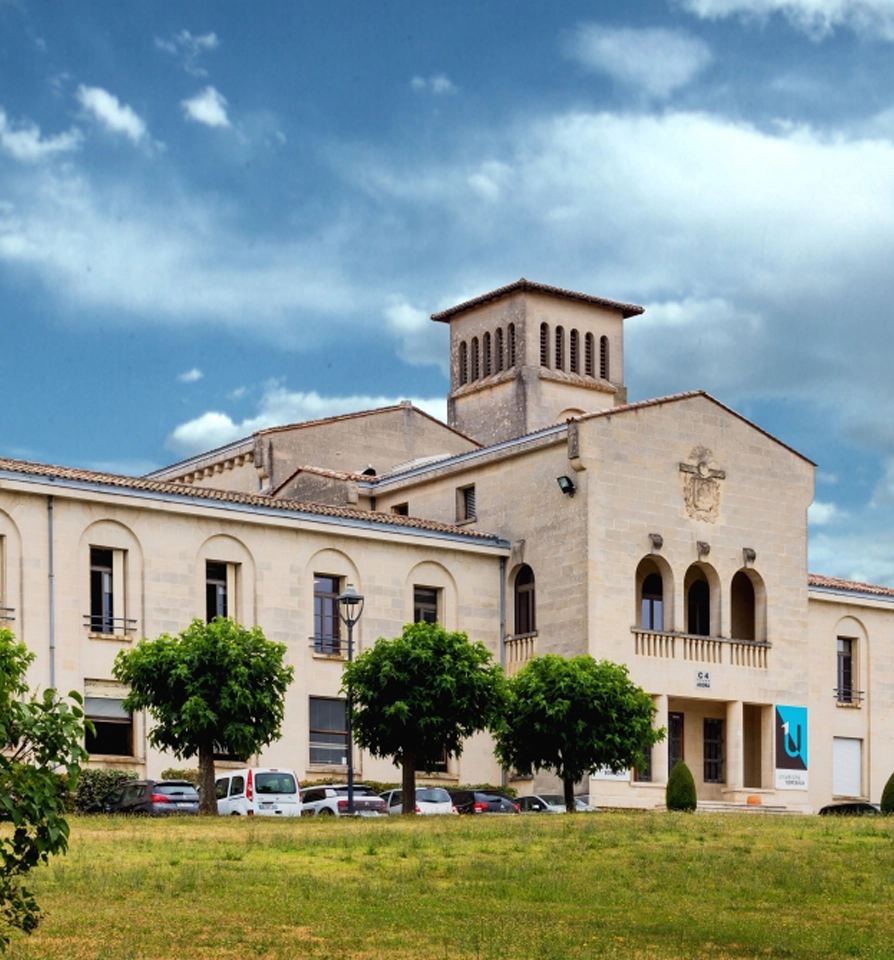



 Institut des Sciences de la Vigne et Vin - 210 Chemin de Leysotte